
 America Brief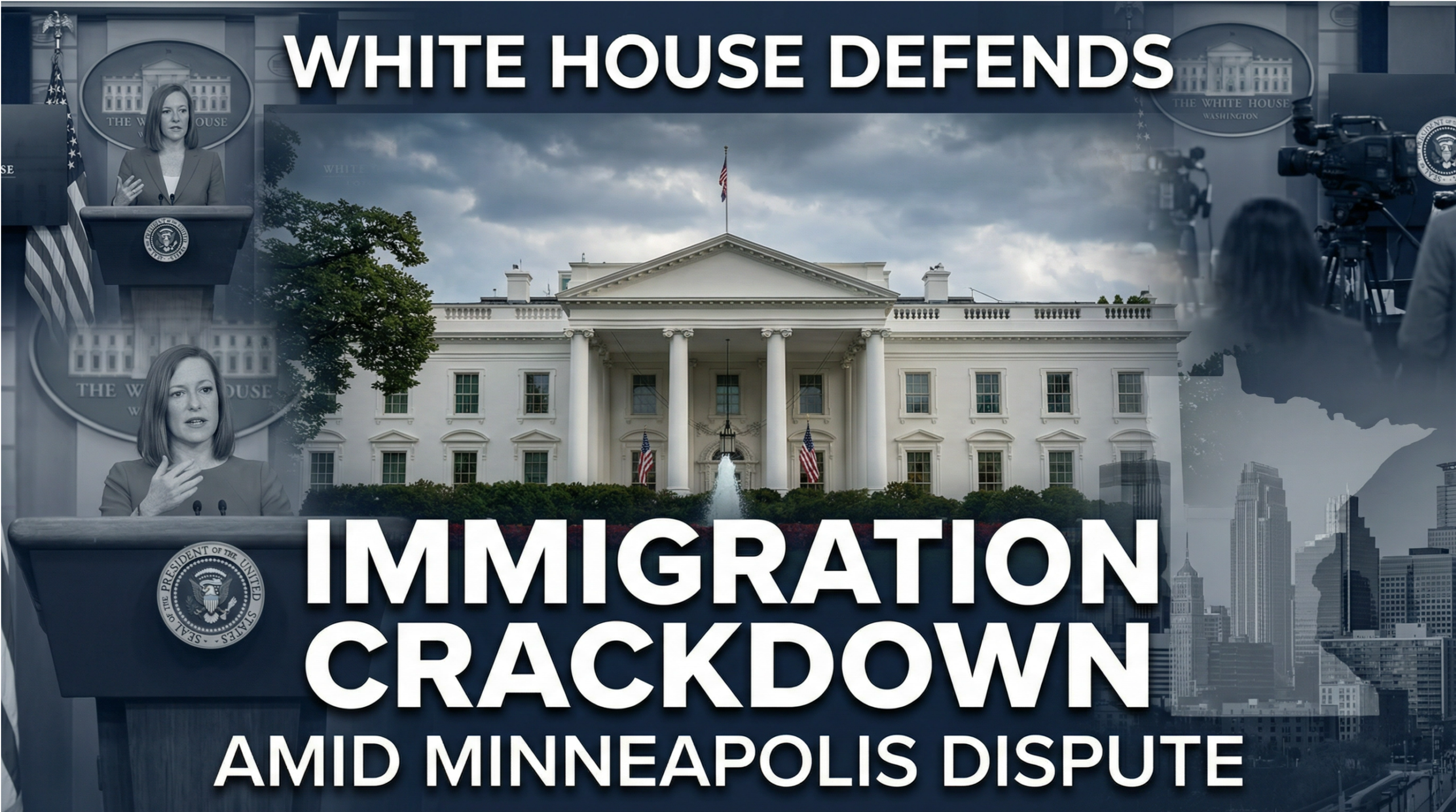
A federal judge has allowed the case to proceed
Minnesota, along with the cities of Minneapolis and St. Paul, has filed a lawsuit challenging recent federal immigration enforcement actions in the Twin Cities. The legal challenge reflects growing tension between state and federal authorities over how immigration laws are enforced at the local level.
The Basis of the Lawsuit
State officials argue that the recent surge in federal immigration activity has disrupted communities and exceeded lawful authority. According to the lawsuit, enforcement operations have relied on tactics that undermine due process protections and erode trust between residents and law enforcement.
Local leaders say the presence of heavily armed agents conducting raids has created widespread fear, particularly among immigrant families who have lived and worked in the region for years.
Federal Response
Federal officials maintain that the operations are lawful and necessary to enforce existing immigration laws. The Department of Justice has characterized the lawsuit as politically motivated and has moved to dismiss it.
A federal judge has allowed the case to proceed, setting the stage for a significant legal battle that could influence immigration enforcement nationwide.

Broader Implications
Legal experts note that the outcome could redefine how states interact with federal immigration agencies. The case highlights long-standing debates over states’ rights, federal authority, and civil liberties.