
 America Brief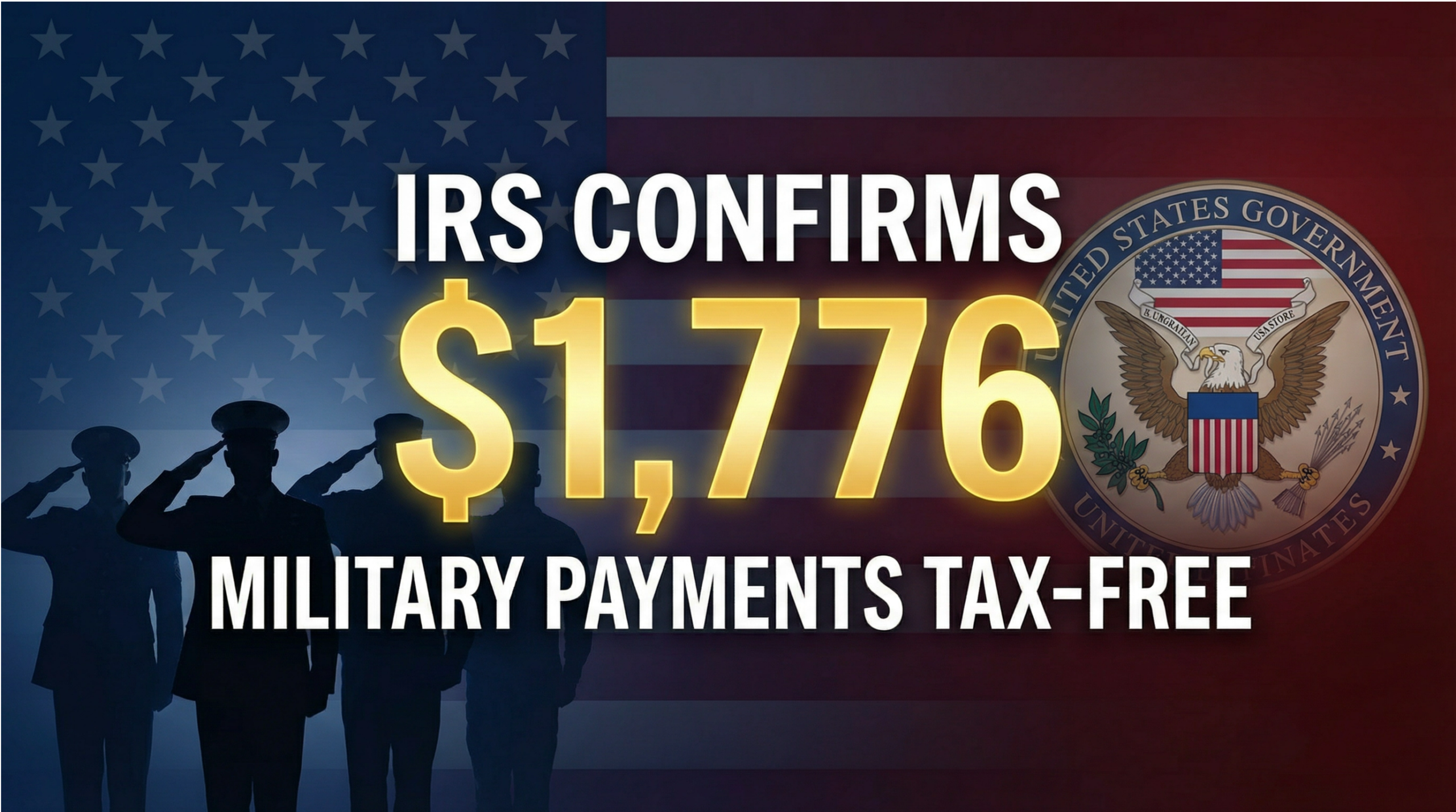
Millions of active-duty service members and reservists received a one-time $1,776 payment earlier this year as part of a commemorative military bonus tied to America’s founding year. While the payment was welcomed, questions quickly arose about whether the funds would be subject to federal income tax.
The Internal Revenue Service has now issued clear guidance: the payment is tax-free.
Understanding the “1776” Military Payment
The bonus, informally referred to as the “1776 payment,” was issued to approximately 1.5 million eligible service members. The symbolic amount was chosen to align with the year the Declaration of Independence was signed, reinforcing the connection between military service and the nation’s founding ideals.
Initially, confusion spread among recipients regarding whether the funds would need to be reported as taxable income, potentially impacting refunds or tax brackets.
IRS Clarification Brings Relief
The IRS has confirmed that the payment qualifies as a non-taxable military benefit, meaning recipients do not need to include it when filing their federal tax returns. The ruling ensures that service members retain the full amount without deductions or future liabilities.
Tax professionals say this clarification eliminates uncertainty during tax season and reinforces long-standing tax protections for certain military-related payments.

What Service Members Should Know
- The payment does not count as earned income
- It does not reduce eligibility for credits or benefits
- No additional paperwork or reporting is required
For military families already navigating financial planning challenges, the tax-free status offers reassurance and tangible support.
Broader Significance
Beyond the financial aspect, the payment represents symbolic recognition of service members’ role in protecting the freedoms established in 1776. As the nation prepares for its 250th anniversary, the bonus serves as both a tribute and a reminder of the sacrifices made to preserve American independence.