 America Brief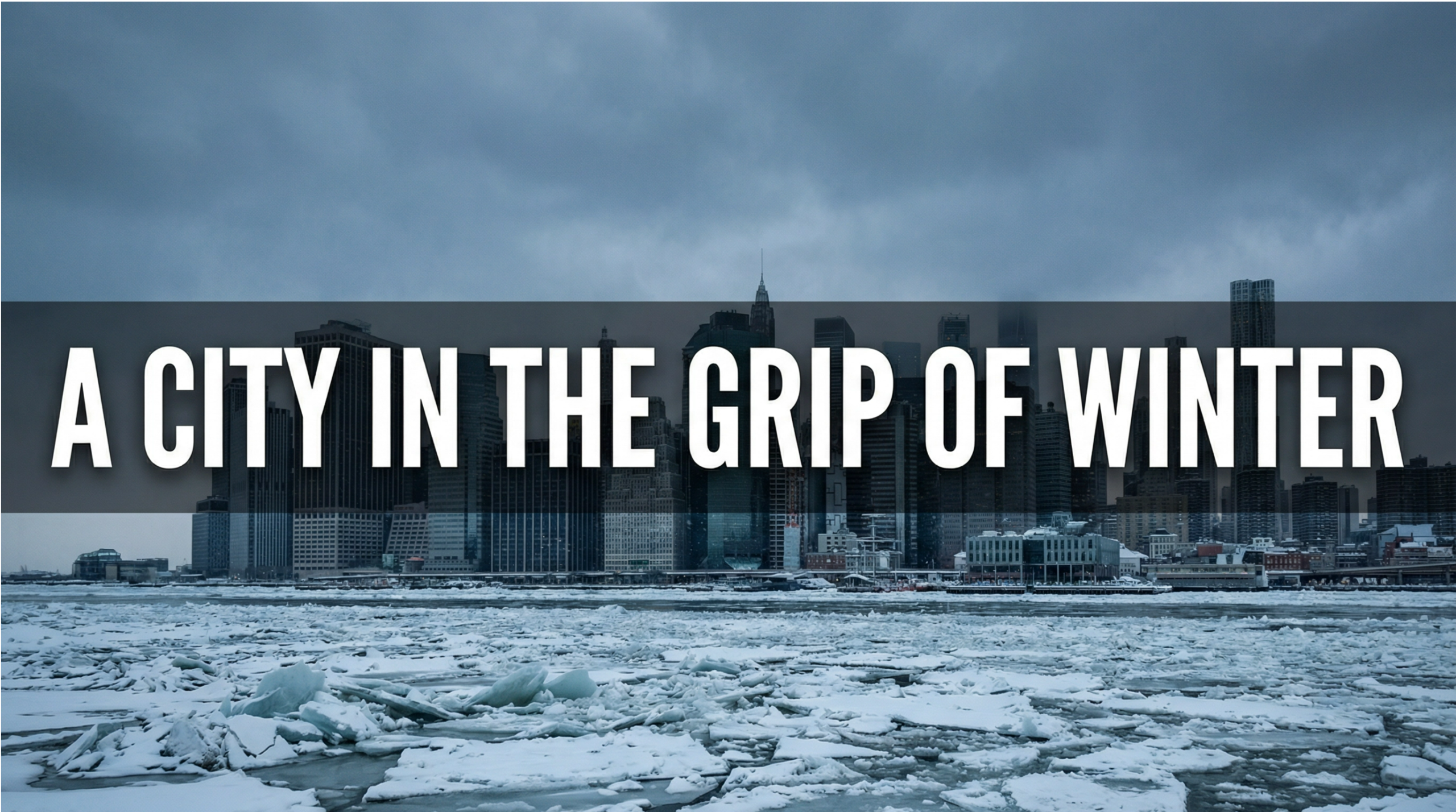
New York City, a metropolis more recently classified as a humid subtropical climate zone, has been grappling with a brutal and deadly cold snap that has claimed the lives of at least 18 people. The city has endured one of its longest stretches of sub-zero temperatures since 1961, a stark reminder of the power of nature and the vulnerability of its citizens, particularly the most marginalized. The historic cold has tested the city’s infrastructure and its ability to protect its most vulnerable residents, while also raising questions about the impacts of climate change on urban environments.
The death toll, which stood at 18 as of Sunday, February 9, 2026, is a grim testament to the severity of the cold. The victims have come from all walks of life, but many have been among the city’s homeless population. One of the most recent fatalities was a person found in the Bronx on a Saturday morning. In another tragic incident, an 81-year-old man was found dead on the roof of his Brooklyn apartment building, where police believe he slipped on ice while carrying groceries. These are just two of the many stories of loss and hardship that have emerged from this historic cold snap.
The temperatures in New York City have been running 10 to 15 degrees Fahrenheit below average, with lows dipping to around 5°F (-15°C). The wind chill has made it feel even colder, with “feel-like” temperatures plummeting to as low as -20°F (-29°C). At these temperatures, hypothermia and frostbite can set in in as little as 15 minutes. The National Weather Service issued an extreme cold warning for the city, the first time such an alert has been used since it was created in 2024. At one point, some parts of Antarctica were warmer than New York City.

In response to the crisis, city officials declared a “code blue” on January 19, 2026. This emergency declaration prohibits anyone from being denied access to a shelter and restricts the police from preventing people from seeking refuge in the subway system. It also activates homeless outreach teams, who canvass the streets to bring vulnerable individuals to safety. The administration of Mayor Zohran Mamdani has been under intense pressure to respond effectively to the crisis. The mayor’s office announced that 60 new hotel rooms and 62 warming centers would be opened to provide shelter for the unhoused. In a personal plea, Mayor Mamdani urged those on the streets to come inside. “To those who may consider themselves more comfortable on the streets, I want to speak directly to you,” he said. “Come inside. These temperatures are too low and too dangerous to survive.”
The cold snap has been an early and difficult test for the Mamdani administration, which has been forced to confront the city’s long-standing challenges of homelessness and poverty in the face of an extreme weather event. The crisis has also highlighted the city’s changing climate. While New York has always experienced cold winters, the recent classification of the city as a humid subtropical climate zone in 2020 has led some to believe that such extreme cold events would become less common. The current cold snap has challenged that assumption and has raised new questions about the city’s preparedness for a more volatile and unpredictable climate.
The historic cold snap in New York City is a story of human tragedy and resilience. It is a story of a city grappling with the forces of nature and the challenges of social inequality. As the city begins to thaw out, the lessons learned from this crisis will be crucial in shaping a more just and resilient future for all New Yorkers. The 18 lives lost will not be forgotten, and their memory will serve as a powerful reminder of the urgent need to address the root causes of poverty and homelessness and to build a city that is prepared for the challenges of a changing world.
References